Toby Rovezzano
Via Google
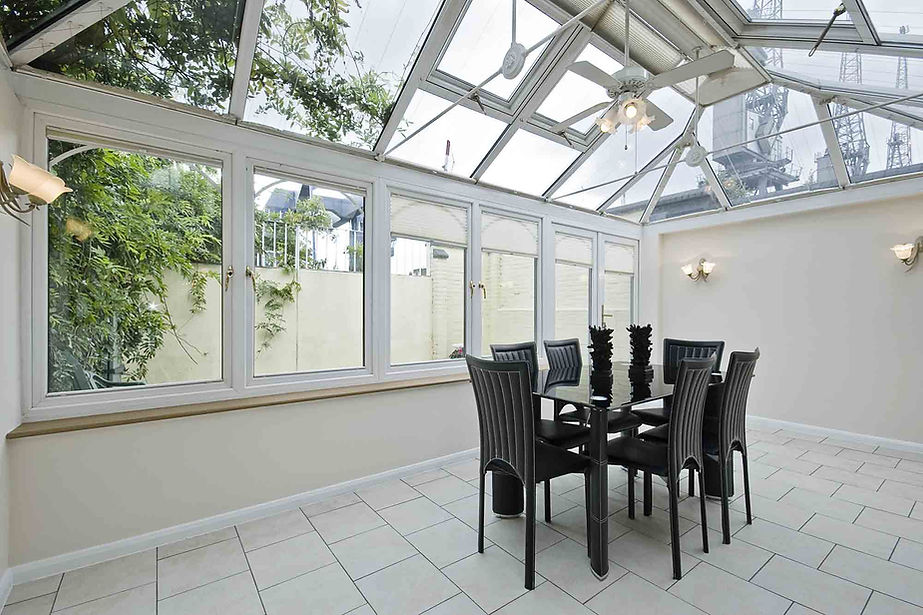
Brick pillars typically match existing property brickwork for architectural consistency. Window and roof lantern frames are available in a variety of woodgrain effects and contemporary colours, including Anthracite Grey and Black for modern orangeries. Internal finishes coordinate with interior décor whilst external colours complement building aesthetics.
Find Out MoreRoof lanterns typically feature clean glass for maximum light. Side windows can include glazing bars where traditional appearances are required for period properties or conservation area approval. Solar control glazing is available for south-facing orangeries to prevent overheating, and toughened safety glass is standard for roof lanterns to meet building regulations.
Find Out More
If you have any questions – big or small – or you’d like to arrange a consultation call or a site visit, reach out to our friendly team.
Orangeries sit between conservatories and traditional extensions. They are more substantial than conservatories, but more light-filled than brick extensions. This unique position makes them ideal for projects where traditional extensions feel too solid and conservatories feel too lightweight.
Orangeries feature brick pillars and flat roofs with glazed lanterns in the centre, creating more substantial, room-like spaces with better insulation. Conservatories feature mostly glazed walls and roofs, maximising light but providing less insulation and feeling more like glazed additions. Orangeries cost more but add greater property value and feel more like traditional extensions.
It depends on size, location, and whether permitted development rights apply. Many orangeries fall under permitted development and don’t require planning permission, but restrictions apply to listed buildings, conservation areas, and properties where permitted development rights have been removed. We assess your situation and advise on planning requirements.
Properly designed orangeries with appropriate glazing, ventilation, and heating maintain comfortable temperatures year-round. Solar control glass prevents overheating. Insulated roofs and brick construction provide better temperature stability than conservatories. Underfloor heating creates even warmth in winter without temperature extremes.
Yes, orangeries are ideal for kitchens, dining rooms, family rooms, and home offices. Superior insulation compared to conservatories makes them suitable for year-round primary living spaces.
Yes, orangeries work particularly well on period properties. Traditional brickwork and architectural detailing can match existing building styles, making orangeries appropriate for Georgian, Victorian, and Edwardian properties. In conservation areas and on listed buildings, orangeries often gain approval more readily than modern conservatories due to traditional construction methods.
Since 1983, we’ve been serving Lincolnshire and the surrounding counties with honest, reliable glazing services. Our longevity speaks to our commitment to quality workmanship and customer satisfaction.
With over 2,000 happy clients across the region, we’re proud to be Lincolnshire’s first choice for windows, doors, and conservatories.